

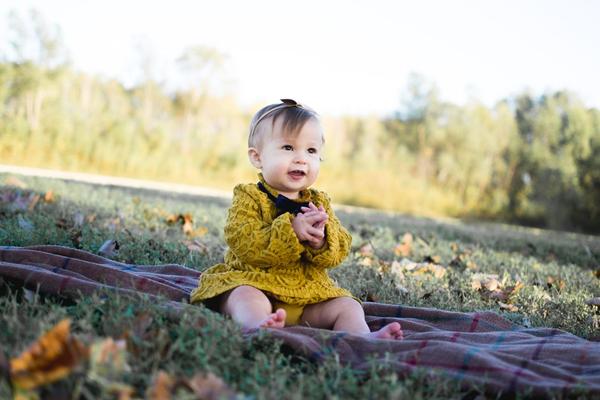
Fall makes baby dressing feel like a daily guessing game. The morning air calls for something cozy, yet by lunchtime the sun may be warm enough for short sleeves. If you’re wondering how to dress baby for fall, the answer is less about buying a new wardrobe and more about choosing light layers that can change with the weather.
Babies cannot tell us when they feel chilly or overheated, so comfort checks matter more than a coordinated outfit. A few breathable basics, sensible accessories, and a removable top layer will handle most autumn days.
Let the Weather Guide the Outfit
Before dressing your baby, check the temperature, wind, and whether you’ll be indoors, in a stroller, or in the car. A sunny 60°F afternoon feels different from a damp, breezy morning at the same temperature.
A useful starting point for young babies is about one more light layer than an adult would comfortably wear in the same conditions. It is a guide, not a rule: adjust for your baby’s age, surroundings, and signs of discomfort. Babies born prematurely may need individualized advice from their pediatrician.
Instead of judging warmth by cool fingers or toes, feel your baby’s chest or the back of the neck. If the skin is comfortably warm and dry, the outfit is likely working. Sweating, flushed skin, or a hot chest means it is time to remove a layer.
Build Baby Fall Layers from the Inside Out
Begin with a Comfortable Base
A soft cotton bodysuit is the workhorse of fall baby clothes. Short sleeves suit milder days; long sleeves offer coverage when the air turns cool. Choose a comfortable fit that allows movement and easy diaper changes.
For a cool morning, try a long-sleeve bodysuit with soft pants or footed leggings. On warmer afternoons, a single breathable outfit may be sufficient. There is no need to keep every layer on simply because the calendar says October.
Add a Removable Middle Layer
A lightweight cardigan, sweatshirt, or soft fleece jacket makes seasonal baby clothing more adaptable. Front-opening styles are practical because you can remove them without pulling clothing over a sleepy baby’s head.
Cotton is breathable and easy to wash; smooth fleece can add warmth outdoors. If you use wool, look for a soft layer that does not irritate your baby’s skin. Avoid tight necklines, dangling cords, and loose decorative pieces.
Finish with Weather-Appropriate Protection
On windy outings, add a light jacket or another removable outer layer. A weather-resistant stroller cover designed for your stroller may help with breezes, but it must allow ventilation and never obstruct your baby’s face. Check your baby frequently rather than assuming a covered stroller stays comfortable.
A baby clothing essentials checklist can help you put together outfits using pieces you already own instead of shopping for an entirely separate autumn wardrobe.
What About Socks, Hats, and Shoes?
Socks are handy when pants leave ankles exposed, and footed outfits keep little toes covered. If your baby kicks socks off, try a well-fitting footed sleeper at home. Shoes are generally unnecessary for babies who are not walking; soft, nonrestrictive foot coverings work well instead.
A properly fitting hat can be useful outside in chilly weather. Remove it when you come indoors or when your baby is sleeping. Indoor hats can contribute to overheating, and a sleeping baby’s head should remain uncovered.
Three Real-Life Fall Dressing Situations
A Brisk Morning That Turns Warm
Imagine leaving home at 8 a.m. when it is 55°F, with an afternoon forecast near 72°F. Dress your baby in a long-sleeve bodysuit, comfortable pants, socks, and a light cardigan. Carry the cardigan once the day warms up. This is the strength of autumn baby outfits: you can change one piece instead of everything.
A Walk on a Windy Afternoon
For a stroller walk, start with a breathable outfit and add a soft jacket if needed. Check the wind, keep the baby’s face clear, and feel the chest or neck after a few minutes. If you enter a warm café, remove the outer layer. Avoid draping a blanket over the stroller opening.
A Quick Drive to the Store
Dress your baby in thin, snug layers before fastening the car seat harness. Bulky coats and padded snowsuits can compress in a crash and leave the straps too loose. If extra warmth is needed, put a blanket over the properly buckled harness, away from the face. Remove the covering as the car heats up.
Keep Nap and Bedtime Clothes Simple
Fall evenings can feel cooler than afternoons, but sleeping babies should not be bundled in outdoor clothing. Dress your baby for the room temperature, not the temperature outside. A well-fitting sleeper or appropriately sized, nonweighted sleep sack can provide warmth without loose bedding.
The American Academy of Pediatrics advises avoiding overheating and keeping loose blankets, pillows, and hats out of an infant’s sleep environment. Always place your baby on the back on a firm, flat sleep surface. A safe baby sleepwear guide can help you compare sleepers and sleep sacks without adding unnecessary layers.
Pack for Changes, Not Just for Cold
Pack one dry change of clothing, spare socks, and a light removable layer. A second bodysuit helps if a diaper leaks or a feeding gets messy. For longer outings, bring clothing suited to the forecast rather than automatically choosing the thickest outfit.
Heated homes, shops, and cars can be much warmer than the pavement outside. Removing a layer at the doorway is often more useful than buying heavier fall baby clothes. A newborn clothing checklist can help identify practical spares.
Frequently Asked Questions
How many layers should a baby wear in fall?
Start with roughly one more light layer than you would wear comfortably, then adjust. Check your baby’s chest or neck for warmth and dryness. Conditions, age, and activity matter more than a fixed number.
Does my baby need a jacket in autumn?
Sometimes. A light, removable jacket is useful on cool or windy outings, but it may be unnecessary in mild weather. Never use a bulky jacket beneath a car seat harness.
Should my baby wear a hat indoors in fall?
Usually not. Healthy babies generally do not need hats indoors after the newborn hospital period, and hats should never be worn during sleep because of overheating concerns.
What should my baby wear to sleep on a cool fall night?
Choose sleepwear appropriate to the indoor temperature. A properly sized, nonweighted sleep sack is an option if extra warmth is needed. Keep the sleep space free from loose blankets and keep the head uncovered.
A Flexible Fall Wardrobe Wins
Dressing a baby for cooler weather becomes easier when outfits can respond to a changing day. Start with breathable basics, add a removable layer when necessary, protect exposed feet on cool outings, and check your baby’s comfort regularly. Save the heavy winter gear for weather that truly calls for it. The best fall wardrobe is one you can adjust without fuss.
