

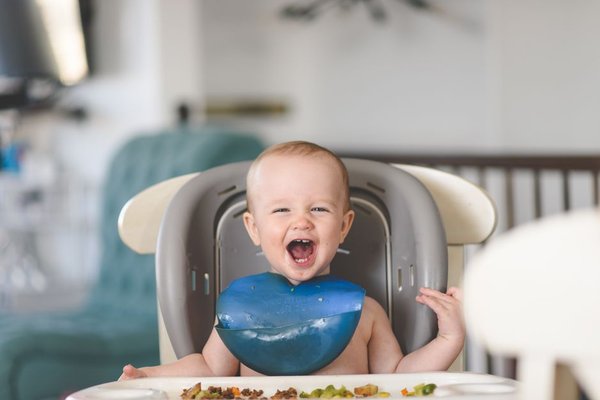
A grape, a piece of apple, and a spoonful of peanut butter seem like ordinary foods. For a baby learning to eat, however, their shape and texture can make a big difference. Many baby food choking hazards arise not because a food is unhealthy, but because it can block a small airway before a child can chew or swallow it safely.
Preparation changes that risk. Cooking, mashing, slicing, and choosing suitable textures can make familiar foods safer as babies develop eating skills. Knowing which foods to modify—and which to avoid for now—is a practical part of baby food safety.
Why Shape and Texture Matter
Babies are still coordinating biting, chewing, moving food around the mouth, and swallowing. Having teeth does not guarantee effective chewing. Round, firm foods can lodge in an airway, while sticky or dense foods can form difficult-to-clear masses.
Before serving, ask whether the food is round, hard, tough, sticky, or likely to break into firm chunks. Can it be mashed easily with a fork? The answers are more useful than assuming any food is safe simply because it is nutritious.
Common Choking Foods for Babies and Safer Preparation
Grapes, Cherry Tomatoes, and Round Fruits
Whole grapes, cherry tomatoes, and cherries are well-known choking hazards. Halving a grape still leaves a rounded piece. For children ready to manage these textures, cut small round fruits lengthwise into quarters; remove cherry pits and other hard stones. For younger eaters, a softer or mashed preparation may be more appropriate. Never offer whole grapes to a baby.
Raw Apples, Carrots, and Firm Vegetables
Crunchy apple chunks, raw carrot coins, and hard vegetable sticks can break into difficult-to-chew pieces. Steam or simmer firm produce until soft enough to mash with a fork. Then puree, mash, grate, or prepare it in a shape suitable for the child’s abilities. A soft cooked carrot is very different from a raw carrot round.
Hot Dogs, Sausages, Meat, and Cheese
Hot dogs and sausages are especially dangerous when sliced into round coins. Babies do not need these processed foods. For older children ready to eat them, cut lengthwise into thin strips and then into small, manageable pieces rather than round discs. Remove bones, tough skin, and gristle from meat; cook until tender and shred finely. Avoid large, rubbery cheese cubes and stringy chunks.
Nuts, Seeds, and Peanut Butter
Whole nuts and seeds are unsuitable for babies. Thick spoonfuls or lumps of nut butter can also stick in the mouth or throat. When introducing peanut-containing foods, use smooth peanut butter thinned into a puree or another easily swallowed consistency, never a sticky spoonful.
Allergy considerations are different from choking risks. If your baby has severe eczema or an egg allergy, discuss peanut introduction with a clinician. Changing the texture does not prevent allergic reactions.
Popcorn, Sweets, and Sticky Snacks
Popcorn, hard candy, gum, marshmallows, and chewy sweets should not be offered to babies. Some are hard or irregularly shaped; others become sticky. Dry snack pieces and crunchy crackers with hard seeds may also cause problems. Small does not automatically mean safe.
Turn a Family Meal Into a Safer Baby Meal
Imagine lunch includes roast chicken, carrots, and grapes. The baby’s plate should not simply contain miniature versions of the adult portions. Remove every bone and tough piece from the chicken, shred the meat, and cook the carrots until mashable. If the baby is developmentally ready for grapes, quarter them lengthwise; otherwise choose mashed fruit.
Use the same check at every meal: inspect for pits, skins, bones, round shapes, sticky clumps, and firm chunks. Adapt each ingredient rather than assuming a familiar family food is safe as served. Offer manageable amounts and watch how your baby handles them.
Match Food Texture to Development
Many babies begin complementary foods around six months, once they show readiness signs. Smooth purees and mashed foods may be easiest initially. Thicker, lumpier textures can gradually follow as oral skills develop. Age alone cannot tell you exactly which foods a particular baby can handle.
Soft finger foods may be suitable as skills improve, but safer food shapes for babies depend on the ingredient and the child’s development. No single cutting size or feeding method guarantees safety. Ask a pediatrician or feeding specialist for advice if your baby frequently coughs during meals or struggles to swallow.
A guide to starting solids safely can help with developmental readiness, and baby-led weaning safety guidance may be useful when introducing finger foods. Both should reinforce careful food preparation.
Set Up Safer Mealtimes
Choking prevention during feeding involves more than chopping food. Seat your baby upright in a suitable high chair, secure the harness, and remain close enough to watch every bite. Keep meals calm and avoid rushing or distracting the child.
Never let a baby eat while lying down, crawling, walking, or riding in a moving car or stroller. Avoid putting food into the mouth when the baby is crying or laughing. Remind older siblings not to share unsuitable snacks. A babyproofing checklist can help make the surrounding eating area safer, too.
Gagging Is Not the Same as Choking
Gagging can be noisy: a baby may cough, retch, push the tongue forward, or bring food toward the front of the mouth. Choking may be quiet. A baby with a blocked airway may be unable to breathe, cry, or cough effectively, and the lips or gums may change color.
If your baby cannot breathe, cry, or cough effectively, call your local emergency number immediately. For a conscious choking infant younger than one year, established first-aid guidance uses five back blows followed, if needed, by five chest thrusts. Repeat as directed while emergency help is arranged. Never perform abdominal thrusts on an infant or blindly sweep a finger into the mouth. If the baby becomes unresponsive, follow dispatcher instructions and begin infant CPR as trained.
Take a recognized infant first-aid and CPR course before an emergency happens. Practical training is far more useful than trying to remember instructions under pressure.
Frequently Asked Questions
Can a baby choke on pureed food?
Yes. Smooth puree reduces some hard-piece and round-food risks, but choking or swallowing difficulties are still possible. Feed upright, offer appropriate portions, and supervise throughout.
Are very small pieces always the safest choice?
No. Tiny hard pieces, rounded slices, and sticky clumps can still obstruct an airway. Texture and shape matter as much as size.
When can children eat whole grapes or nuts?
The American Academy of Pediatrics advises avoiding or modifying high-risk foods until at least age four, sometimes longer depending on development. Babies should not receive whole grapes or whole nuts. Follow your child’s individual feeding guidance.
Does gagging mean solid foods should stop?
Not necessarily. Occasional gagging can be part of learning, but repeated distress, persistent coughing, or swallowing difficulty calls for professional advice. Never assume true choking is normal gagging.
Small Changes Make a Meaningful Difference
Reducing baby food choking hazards means noticing how food behaves in a little mouth. Soften firm produce, change risky round shapes, avoid whole nuts and sticky lumps, and supervise every meal. These practical choices help babies explore new flavors and textures with less choking risk while their eating skills grow.
