

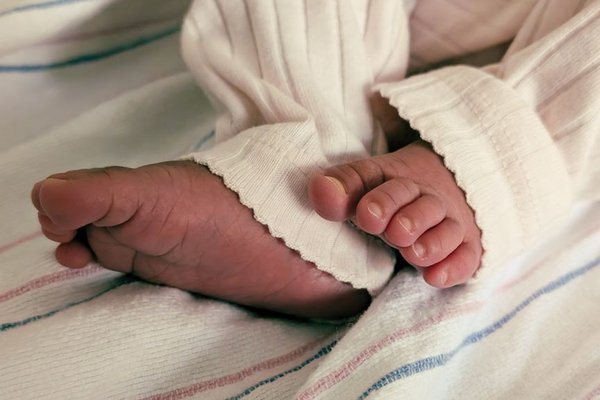
Buying tiny outfits is one of the more enjoyable parts of preparing for a baby. The tricky part? A drawer full of newborn clothes might be useful for weeks, barely worn, or too small from day one. Newborn clothing sizes describe approximate body measurements, not a promise about how long an outfit will fit. A little planning can help you have comfortable clothes ready without buying more than your baby can wear.
What Do Newborn Clothing Sizes Actually Mean?
Labels such as preemie, newborn, NB, 0–3 months, and 3M offer a starting point. They are not standardized across every retailer. Two sleepers with the same label may have different sleeve lengths, body widths, and room for a diaper.
On Carter’s current US size chart, for example, newborn (NB) clothing generally corresponds to a baby weighing 6–9 pounds and measuring 18–21.5 inches. Its 3M size corresponds to approximately 9–12.5 pounds and 21.5–24 inches. Those measurements describe one brand’s range, not a universal newborn size guide.
Newborn versus 0–3 months
Newborn is usually the smaller option. A label reading 0–3 months generally covers a broader, larger stage, while a brand’s 3M label often refers to roughly the same stage. It does not mean the clothing will automatically fit until the baby’s three-month birthday.
How Long Do Babies Wear Newborn Size?
There is no reliable calendar answer. Some babies outgrow newborn outfits within days; others wear them for several weeks. Birth weight, length, proportions, growth, and the brand’s cut all influence when clothes stop fitting.
A baby born near the upper end of a brand’s NB weight range may start in 0–3 months. A smaller baby might get considerable use from newborn pieces. And growth does not always happen evenly: a sleeper can become short in the legs while still feeling roomy around the tummy.
Think of the label as a fit prediction that should be checked against your baby, rather than a deadline. A comfortable outfit today is more useful than one chosen to match the age printed on its tag.
How to Tell Whether Newborn Clothes Fit
Good newborn clothes fit allows gentle movement, accommodates a diaper, and stays in place without digging into the skin. Check the entire outfit when your baby is relaxed, not just whether the snaps close.
Signs an outfit is getting too small
Look for shoulder seams pulling tightly, a neckline that strains, red marks from cuffs or waistbands, or snaps that pop open when the diaper is full. With footed sleepers, check that your baby can straighten and bend their legs without pressing hard against the feet.
If a bodysuit rides up or becomes difficult to fasten, move up a size rather than forcing the fit. Newborn clothes fit should feel secure, not restrictive.
Signs the next size is still too big
Oversized sleeves that cover the hands, a loose neckline that slips toward the face, or excessive fabric bunching around the body suggest an outfit is not ready yet. A slightly roomy daytime outfit may be manageable, but sleepwear needs particular attention to its fit and the manufacturer’s instructions.
What to Buy Before Your Baby Arrives
The smartest approach is to prepare a small working wardrobe in two sizes, then restock once you know your baby’s measurements and laundry routine. Rather than purchasing every appealing newborn outfit, prioritize soft, washable pieces with simple fastenings.
As an initial example, consider three or four newborn bodysuits, two or three newborn sleepers, and a few 0–3 month alternatives. These quantities are a flexible starting point, not a rule. Families washing laundry less often, managing frequent spit-up, or living in a cooler climate may need more changes.
Imagine that your baby arrives weighing 8 pounds 12 ounces. A brand whose newborn range ends at 9 pounds might fit briefly, but its 0–3 month pieces could become practical almost immediately. If you had bought twenty newborn sleepers, many might remain unworn. Keeping the receipts and tags on unused extras gives you more options.
It helps to make a simple baby clothing essentials checklist before shopping. Include the season when your baby will actually wear each size, not just the season when you purchase it.
Small Details That Change the Fit
Fabric and design matter as much as the printed newborn outfit sizes. Stretchy cotton knits can feel more forgiving than rigid woven fabrics, while a narrow zippered sleeper may fit differently from a roomy snap-front version.
Check care labels before assuming an outfit will keep exactly the same dimensions after washing. Following washing and drying instructions can help preserve its shape. It is also sensible to wash the first few outfits before use and avoid relying on a perfect fit from a stiff, unworn garment.
Fit Matters for Sleepwear, Too
For sleep, choose clothing appropriate to the room temperature and avoid overheating. The American Academy of Pediatrics recommends generally using no more than one additional clothing layer compared with what a comfortable adult would wear in the same environment. Check for sweating, flushed skin, or a hot chest.
A properly sized wearable blanket or sleep sack can provide warmth without loose blankets in the sleep space. Follow its weight and height limits, and make sure the neck opening cannot ride up over your baby’s face. Avoid hats indoors during sleep and keep loose bedding out of the crib or bassinet.
If you are comparing baby sleepwear sizes, check the sleepwear maker’s specific measurements rather than treating a generic 0–3 month label as sufficient.
Organize by Fit, Not Just by Label
Set up one small section for clothes that fit now and another for the next size. You can add a third space for items that are too small, making it easier to see what needs replacing. This prevents a perfectly useful 0–3 month sleeper from getting buried beneath unworn newborn pieces.
Frequently Asked Questions
Is newborn size the same as 0–3 months?
Usually not. Newborn is generally smaller than 0–3 months, but exact measurements vary by brand. Check the retailer’s weight and length chart before ordering.
Should I skip newborn clothes entirely?
Not necessarily. A few newborn outfits can be useful for a smaller baby or for a comfortable going-home outfit. It is usually wiser to start with a modest number than to stock an entire wardrobe in advance.
What size should I pack in a hospital bag?
Pack one or two newborn outfits and one or two 0–3 month options. That gives you flexibility if your baby arrives smaller or larger than expected. Follow any clothing guidance from your hospital or birth center.
When should I move to the next size?
Move up when the fabric pulls, fastenings strain, or your baby cannot move comfortably. You do not need to wait for a particular age or weight if the current outfit is clearly too small.
A Flexible Wardrobe Beats a Perfect Prediction
Newborn sizing makes more sense once you separate age labels from actual fit. Start small, compare brand measurements, and keep a few larger essentials ready. You can always buy more once you see which styles suit your baby. That approach leaves less clothing unworn and makes everyday changes easier during a fast-moving stage.
