

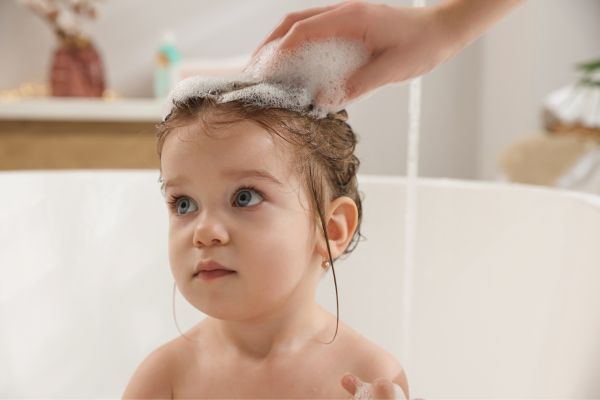
Washing a baby’s hair sounds simple until you are actually holding a slippery little one in warm water, trying to keep shampoo away from their eyes while supporting their head at the same time. For many new parents, it becomes one of those tiny caregiving moments that feels much bigger in real life. Babies are delicate, their scalps are soft, and even a small splash of water can bring surprised cries.
The good news is that baby hair care does not need to be complicated. In fact, the best baby hair washing tips are usually the simplest ones. A gentle touch, mild products, warm water, and a calm routine can make the whole experience easier for both parent and baby. Whether your baby has thick curls, fine wisps, or hardly any hair at all, the goal is the same: keep the scalp clean without irritating the skin or turning bath time into a struggle.
Understanding Your Baby’s Scalp
A baby’s scalp is much more sensitive than an adult’s. The skin is thinner, the natural barrier is still developing, and the soft spots on the head need careful handling. This does not mean the scalp is fragile in a frightening way, but it does mean that rough scrubbing, strong shampoos, or very hot water should be avoided.
Some babies are born with a full head of hair, while others have only a little fuzz. Some lose hair in the first few months and grow it back later. All of this is normal. Hair washing should be based less on how much hair a baby has and more on the condition of the scalp. If the scalp looks clean and healthy, there is no need to wash too often.
New parents sometimes worry that less washing means poor hygiene, but babies do not produce oil and sweat in the same way older children or adults do. Their hair usually stays clean longer, especially in the newborn stage. A gentle routine is often better than frequent washing.
How Often Should You Wash a Baby’s Hair?
Most babies do not need their hair washed every day. For many newborns, washing the hair two or three times a week is enough. On the other days, a soft cloth with warm water can be used to gently wipe around the head if needed.
There may be times when more frequent washing makes sense. If your baby spits up often, sweats during warm weather, or gets milk in the hair, a gentle rinse or light shampoo may be helpful. Still, daily shampooing can dry the scalp, especially if the product is too strong or the bath is too long.
The right rhythm often becomes clear with observation. If your baby’s scalp seems dry, flaky, or red, washing may be happening too often. If the hair smells sour from milk or sweat, it may need a gentle clean. Baby care is rarely about strict rules. It is about noticing what your baby’s skin and hair are telling you.
Choosing a Mild Baby Shampoo
One of the most important baby hair washing tips is to choose a shampoo made for babies or sensitive skin. A good baby shampoo should be mild, tear-free, and easy to rinse out. It should clean without leaving the scalp tight, dry, or heavily scented.
Fragrance-free or lightly scented formulas are usually best, especially for babies with sensitive skin. Strong perfumes may smell pleasant in the bottle, but they can sometimes irritate the scalp. A baby does not need a lingering fragrance to be clean.
It is also worth remembering that a little shampoo goes a long way. Babies have small heads and delicate scalps, so a tiny amount is usually enough. Too much shampoo creates extra foam, and extra foam means extra rinsing. That can make bath time longer and more stressful than it needs to be.
Getting Ready Before You Start
Preparation makes baby hair washing much easier. Before placing your baby in the bath, have everything within reach. This includes shampoo, a soft washcloth, a cup for rinsing, a towel, a clean diaper, and fresh clothes. Once the baby is in the water, you should not have to step away or search for anything.
The water should feel warm, not hot. A good way to test it is with the inside of your wrist or elbow, where the skin is more sensitive. The room should also be warm enough so the baby does not get chilled after the bath.
It helps to keep the atmosphere calm. Babies often respond to the parent’s pace and voice. Speaking softly, moving slowly, and keeping one hand securely on the baby can make the moment feel safer. Even if your baby fusses, staying calm yourself can help prevent the situation from becoming more stressful.
Supporting the Head Safely
During hair washing, support is everything. Babies cannot fully control their head and neck in the early months, so one hand should always help support the head. If the baby is in a small tub, keep their head slightly tilted back while making sure their body is steady and comfortable.
Some parents prefer washing the hair at the beginning of the bath, while others do it near the end. Washing near the end can be helpful because wet hair may make the baby feel cooler. Once the hair is washed, the baby can be wrapped in a towel soon after.
The key is to avoid rushing. A baby can sense quick, uncertain movements. Slow and steady usually works better than trying to finish everything in a hurry.
The Gentle Way to Wash Baby Hair
Start by wetting the baby’s hair with a small amount of warm water. You can use your hand, a soft washcloth, or a small cup. Avoid pouring water quickly over the head, especially near the face. Some babies dislike the feeling of water running down their forehead, so a slow approach is kinder.
Add a tiny amount of shampoo to your hand and gently massage it into the scalp with your fingertips. Use light circular motions, not your nails. There is no need to scrub hard. The purpose is to loosen sweat, milk residue, or natural oils without irritating the skin.
If the baby has very little hair, you can still clean the scalp gently. If the baby has thicker hair, move slowly through the hair to reach the scalp underneath. Pay attention to areas where milk, lint, or flakes may collect, such as around the hairline and behind the ears.
Rinsing Without Tears
Rinsing is often the trickiest part. Even tear-free shampoo can feel uncomfortable if it gets into the eyes, so it is best to keep water away from the face as much as possible. Tilt the baby’s head slightly back and pour small amounts of warm water from front to back, or use a damp washcloth to wipe shampoo away gently.
Make sure all shampoo is rinsed out. Leftover product can make the scalp itchy or dry. If your baby becomes upset, pause for a moment, speak softly, and continue when they settle. Bath time does not have to be perfectly smooth every time. Some days babies cry simply because they are tired, hungry, or surprised by the water.
After rinsing, pat the hair and scalp gently with a soft towel. Rubbing can be too harsh, especially if the scalp is already dry or flaky.
Dealing with Cradle Cap
Cradle cap is common in babies and often appears as yellowish, greasy, or flaky patches on the scalp. It can worry parents, but it is usually harmless and not caused by poor hygiene. Gentle care is better than aggressive scrubbing.
A mild baby shampoo can help keep the scalp clean. Some parents gently loosen flakes with a soft baby brush after washing, but the flakes should never be picked or forced off. Pulling at them can irritate the scalp and may even cause small sore spots.
If cradle cap seems severe, spreads beyond the scalp, looks inflamed, or does not improve, it is best to ask a pediatrician for guidance. Most mild cases improve with time and gentle care.
Caring for Different Baby Hair Types
Baby hair comes in many textures. Fine hair may need very little shampoo and can become dry quickly. Curly or coily baby hair may need extra moisture and less frequent washing because natural oils take longer to move through the hair. Thicker hair may require more careful rinsing to make sure shampoo does not remain near the scalp.
Whatever the texture, avoid tight hairstyles, rough brushing, or heavy products. Baby hair and scalp do not need gels, strong oils, or adult hair products. A soft brush or wide-tooth baby comb is usually enough after washing.
It is also normal for baby hair to change over time. The hair your baby has at birth may not be the same hair they have later. Texture, color, and thickness can all shift during infancy.
Making Hair Washing Feel Comforting
A baby may not understand what hair washing is, but they do understand touch, tone, and routine. When the experience feels predictable, many babies become more relaxed over time. Using the same gentle steps during each bath can help.
Some babies enjoy a warm washcloth resting briefly on the belly while their hair is washed. Others settle when a parent hums or talks to them. The smallest details can make a difference. The goal is not only clean hair but also a feeling of safety.
If your baby strongly dislikes hair washing, keep it short. You can wash the scalp quickly and calmly, then move on. With time, many babies become more comfortable.
Conclusion
Washing a baby’s hair the right way is less about technique and more about tenderness. Babies need mild shampoo, warm water, careful support, and a gentle hand. They do not need daily washing, strong fragrances, or a complicated hair care routine.
The most useful baby hair washing tips come back to the same idea: keep it simple and pay attention. Watch how your baby responds, notice how the scalp looks afterward, and adjust the routine when needed. With patience, hair washing can become a quiet part of bath time rather than something to worry about. It may never be perfectly neat, and there may be splashes along the way, but with care and calmness, it can still be one of those small, sweet moments of everyday parenting.
