

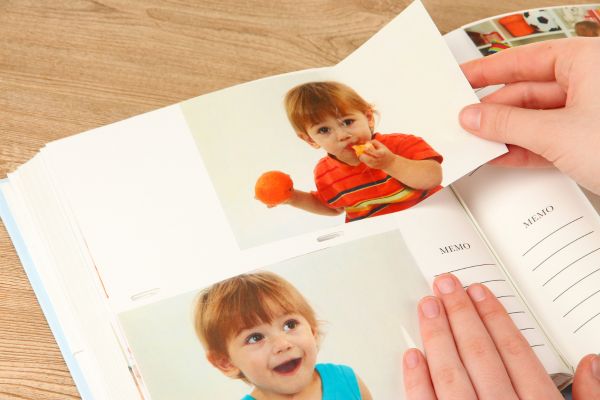
A baby’s first year is filled with tiny moments that disappear almost as quickly as they arrive. The first sleepy smile, the way a newborn curls one hand around a parent’s finger, the sudden excitement over a favorite toy, even the ordinary rhythm of feeding and napping can feel unforgettable at the time. Still, memories soften. Details blur. That is where a thoughtfully created baby memory book becomes so meaningful.
Traditional memory books usually include birth details, first steps, first words, and birthday photographs. Those pages are worth keeping, of course, but there are many more personal ways to tell a child’s early story. The most unique baby memory book ideas focus not only on major milestones but also on the small habits, family emotions, and everyday scenes that made that particular baby’s beginning unlike anyone else’s.
Capture the Story Before the Birth
A baby’s story begins long before the day they arrive. Including a few pages about the months leading up to the birth gives the memory book a richer beginning.
Parents can write about how they discovered the pregnancy, how they chose to share the news, and what emotions they felt during those first weeks. A photograph of the first ultrasound, a copy of a handwritten list of possible names, or a small piece of wrapping paper from a baby shower gift can bring the story to life.
It can also be lovely to describe the world the baby was expected to enter. What season was it? What songs were playing often at home? What foods did the mother crave? Which room was being prepared? These simple details may seem ordinary now, but they help a grown child imagine the atmosphere that surrounded their arrival.
Create a Page for the Name Story
Every name has a history, even when it was chosen simply because both parents liked the sound of it.
A name page can explain where the baby’s first and middle names came from, what they mean, and which other names were considered. Perhaps the name honors a relative, reflects a cultural tradition, or was inspired by a book, place, or childhood memory.
Include early handwriting samples of the name from parents, grandparents, and siblings. Years later, these little variations can feel surprisingly emotional. A child may enjoy seeing how their name was written and discussed before they were old enough to recognize it themselves.
Record the Ordinary Daily Routine
Milestones naturally attract attention, but ordinary routines often become the memories parents miss most.
A “day in our life” page can record what a typical morning, afternoon, and evening looked like at a certain age. Write down when the baby usually woke, what made them laugh, where they liked to nap, how they were comforted, and what bedtime looked like.
Add small details that may otherwise be forgotten. Perhaps the baby always kicked one sock off, became calm near a running washing machine, or needed to hold a particular cloth while falling asleep. These habits may not appear on a standard milestone chart, yet they reveal far more personality than a simple date beside “first tooth.”
Repeating this page at three months, six months, and twelve months can show how dramatically family life changed across a single year.
Save the Funny Nicknames and Family Phrases
Babies collect nicknames quickly. Some are sweet, some are ridiculous, and many disappear once the child grows older.
Dedicate a page to every nickname used during the first year and explain where each one came from. Include the phrases family members repeated often, such as a silly greeting, a made-up lullaby, or an expression used whenever the baby sneezed.
These private bits of family language are easy to lose because they are rarely written down. Preserving them adds warmth and humor to a memory book. It also gives the child a glimpse into the playful relationships surrounding them.
Include Letters From Different Ages
Letters can turn a memory book into something deeply personal rather than purely visual.
Parents might write a letter shortly after the birth, another at six months, and a final one on the first birthday. Each letter can describe what the baby is like at that moment, what has been surprising, what has been difficult, and what the parent hopes the child will understand one day.
Grandparents, siblings, aunts, uncles, and close family friends can contribute letters too. They do not need to be long or polished. A few honest sentences can carry enormous meaning later.
Leaving blank envelopes inside the book creates space for private letters that the child can open at a certain birthday or life milestone.
Build a Family Resemblance Gallery
One of the more playful unique baby memory book ideas is to compare the baby’s features with relatives from different generations.
Place baby photographs of the parents, grandparents, or siblings beside a current photograph of the child. Note shared expressions, similar eyes, familiar dimples, or matching curls.
The page does not need to settle the ongoing family debate about who the baby resembles most. In fact, recording everyone’s different opinions can make it more entertaining. Write down comments such as “Grandmother says the nose is hers” or “Dad insists the serious expression comes from him.”
This creates a visual connection between the baby and the wider family story.
Preserve Tiny Pieces of the First Year
A memory book can include more than writing and photographs. Small physical keepsakes give the pages texture and emotional weight.
A hospital wristband, a piece of ribbon from a first gift, a fabric cutting from a favorite outgrown outfit, or a pressed flower from a naming ceremony can be carefully attached or stored in a small envelope.
Parents may also trace the baby’s hand and foot at different ages. Comparing those outlines across several months shows growth in a way photographs sometimes cannot.
It is wise to avoid placing bulky or fragile objects directly inside the book. Photograph larger keepsakes instead, then add a note explaining why the object mattered.
Document First Reactions, Not Only First Events
Most baby books record the date of the first bath, first solid food, or first trip. A more engaging approach is to describe the baby’s reaction.
Did the baby love the bath or protest loudly? Was the first taste of banana greeted with delight, confusion, or dramatic disgust? Did the baby sleep through the first family gathering?
These reactions make milestone pages feel alive. Add a short scene rather than only a date. Describe who was present, what happened just before the moment, and how everyone responded.
The story of a first event is often more memorable than the event itself.
Add Pages About the World Around the Baby
A baby memory book can also become a small time capsule.
Create a page showing what daily life looked like during the birth year. Include the family’s home, neighborhood, car, favorite local park, and common household objects. Record the price of everyday items, popular children’s books, well-known songs, and major cultural moments.
Keep the focus personal rather than turning the page into a history report. Write about what the family actually watched, listened to, cooked, or talked about.
Decades later, the baby may be fascinated by details that once seemed too ordinary to mention.
Photograph Favorite Spaces From the Baby’s View
Adults often photograph babies inside nurseries, living rooms, and gardens, but rarely document those places from the child’s perspective.
Take photographs from floor level beside the play mat, beneath the mobile, near the crib, or from the high chair. Capture what the baby may have seen while looking up at parents or watching sunlight move across a wall.
These images create an intimate visual record of early surroundings. They can be paired with short descriptions of favorite corners, familiar sounds, and daily household activity.
The result feels less like a formal album and more like a window into the child’s first world.
Create a Page for Difficult Moments
Baby memory books often focus entirely on happiness, but early parenthood is rarely simple. Including a gentle record of challenges can make the book more honest and meaningful.
This might include sleepless nights, feeding struggles, illness, separation anxiety, or the uncertainty of learning how to care for a newborn. There is no need to include private details that may feel uncomfortable later. A few thoughtful sentences are enough.
Writing about how the family supported one another, adapted, and moved through difficult periods can add depth to the story. It reminds the child that love was present not only during picture-perfect moments but also during exhausting and uncertain ones.
Let Siblings Contribute Their Own Pages
Older siblings often experience a baby’s arrival in a completely different way from adults.
Invite them to draw the baby, describe what they think the baby likes, or answer simple questions about being a brother or sister. Preserve their original spelling and unusual observations rather than correcting everything.
A sibling may write that the baby’s favorite activity is “making noise at night” or that the baby will grow up to become an astronaut, chef, or dinosaur. These contributions capture childhood imagination and family dynamics at a specific moment.
Over time, the sibling pages may become some of the funniest and most treasured parts of the book.
Leave Space for Memories That Arrive Later
It is impossible to know which details will feel most important in the future. Leaving several blank pages allows parents to return later and add forgotten stories.
Sometimes a photograph triggers a memory years afterward. A family member may remember a special visit, a comforting habit, or a small event that was never recorded. Flexible space keeps the book open rather than treating it as something that must be completed perfectly within the first year.
A memory book does not need to follow a strict timeline. It can grow slowly, just as family stories often do.
A Book About More Than Milestones
The best baby memory books are not necessarily the most elaborate. They are the ones that preserve a real sense of personality, place, and connection.
Exploring unique baby memory book ideas allows parents to move beyond standard milestone pages and capture the details that made early family life distinctive. Nicknames, routines, letters, funny reactions, favorite spaces, and even challenging days all belong in the story.
Years later, a child may enjoy seeing photographs of first birthdays and tiny shoes. But the words describing how they laughed, how they were comforted, and how deeply they changed the household may matter even more. A baby memory book becomes truly special when it does not simply record what happened. It reveals what those moments felt like.
