

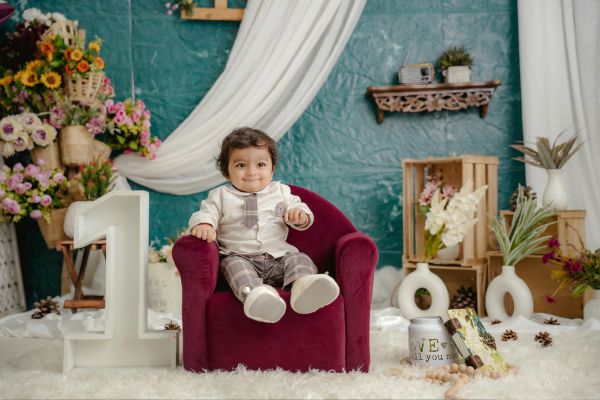
Baby milestone photos have a way of turning ordinary moments into family history. A sleepy three-month-old stretching across a blanket, a six-month-old sitting proudly with a favorite toy, or a one-year-old reaching for a birthday cupcake can become the images parents return to for years. The lovely part is that these photographs do not need an expensive studio, elaborate props, or a professional setup.
Many of the most memorable milestone pictures are created at home using natural light and familiar objects. In fact, a simple setting often keeps the attention where it belongs: on the baby’s changing expressions, growing personality, and tiny physical details.
These affordable baby milestone photo ideas are designed for real homes, real schedules, and real babies who may not cooperate for more than a few minutes. The goal is not perfection. It is to document growth in a way that feels warm, personal, and manageable.
Use the Same Blanket for Every Monthly Photo
One of the easiest ways to create a consistent milestone series is to use the same blanket each month. It might be a soft neutral throw, a handmade quilt, or a blanket received as a baby gift.
Place the baby in roughly the same position and photograph from the same angle every time. As the months pass, the blanket stays familiar while the baby changes dramatically. At first, the child may appear tiny in the center of the frame. Later, little legs and arms will stretch toward the edges.
A plain blanket works well because it does not compete with the baby’s face. It also makes the final collection feel visually connected, even if the photos were taken on different days and under slightly different conditions.
Try to choose a blanket that is large enough to continue using once the baby begins rolling, sitting, or crawling. It will become part of the story without requiring any additional expense.
Create Milestone Numbers With Household Items
You do not need to buy a set of monthly cards to show the baby’s age. Numbers can be created using objects already found around the house.
Arrange building blocks, wooden spoons, ribbons, socks, toy cars, flowers, or even pieces of fruit into the shape of a number. A six-month photo might feature the number six made from bright baby socks, while a nine-month picture could use small wooden toys.
The materials can change each month while the basic idea remains the same. This gives every photograph its own personality and makes the process more creative.
Always keep small objects out of the baby’s reach if they could become a choking hazard. It is often easiest to create the number beside the baby rather than placing items directly around their hands.
Photograph the Baby Beside a Favorite Toy
A favorite stuffed animal can become a charming visual marker of growth. Place the same toy beside the baby during each milestone session. In the early months, the toy may look almost as large as the child. By the first birthday, the baby may be hugging it, carrying it, or pushing it aside to crawl away.
This idea works especially well because it captures more than physical growth. It also shows the developing relationship between the child and a familiar comfort object.
There is no need to buy a special milestone toy. Choose something the baby already owns, preferably one that is simple enough to remain visually clear in photos. A soft bear, fabric doll, or small stuffed animal usually works beautifully.
Over time, the toy becomes a quiet thread connecting the entire collection.
Turn a Plain Wall Into a Simple Photo Background
A blank wall can work just as well as a professional studio backdrop. Choose a space near a window where the light is soft and even. Remove distracting objects from the surrounding area, then place the baby on a blanket, inside a basket, or on a secure floor cushion.
For older babies who can sit safely, a plain wall provides a clean background for portraits. You can add one or two simple details, such as a paper garland, a small balloon, or the baby’s name written on card.
The key is restraint. Too many decorations can make an affordable setup look cluttered rather than creative. A clean wall, natural light, and one meaningful prop are often enough.
Photographing in the same spot each month can also create a recognizable pattern. The changing baby becomes the main event.
Use Seasonal Details From Around the Home
Each season offers free or inexpensive ways to give milestone photos a sense of time. A spring photo might include fresh flowers from the garden. Summer could feature a light cotton blanket, a sun hat, or slices of watermelon placed safely nearby. Autumn brings leaves, small pumpkins, and warm knitted textures. Winter might include fairy lights, a soft scarf, or a simple holiday ornament.
Seasonal elements help distinguish one month from another without requiring a new themed setup every time. They also add context to the baby’s first year.
A child born in January, for example, may move from cozy winter photographs to bright summer sitting portraits and then back to a festive first birthday scene. The visual change makes the final album feel like a journey through the year.
Use only a few seasonal items so the picture still feels natural rather than staged.
Capture Everyday Milestones Instead of Formal Poses
Not every milestone needs to be marked with a sign or number. Some of the most meaningful photographs show what the baby can actually do at that stage.
Photograph the first time the baby holds their head up during tummy time. Capture the wobbly attempts to sit, the determined crawl toward a toy, the first time standing beside the sofa, or those early steps across the living room.
These images often cost nothing to create because they are based on ordinary family life. They may not look perfectly arranged, but they show genuine progress.
Keep your phone or camera nearby during playtime, especially when the baby is approaching a new developmental stage. Milestones sometimes happen without warning, and the first attempt can be more emotional than a carefully recreated version later.
Use Clothing to Show Personality and Growth
A simple outfit can give a milestone photo character without requiring an elaborate theme. Babies often already have clothing that reflects the season, a family tradition, or a playful mood.
You might photograph the baby in the same oversized shirt every few months and watch it gradually begin to fit. Another option is to use a parent’s childhood outfit, a hand-knitted cardigan, or a dress passed down through the family.
Plain white bodysuits are also useful because they create a timeless look and keep the focus on the baby. A small handwritten card placed nearby can mark the age.
Do not worry if the outfit becomes wrinkled or the baby pulls off a sock. These little imperfections make the photograph feel honest.
Make a Simple Bed or Crib Photo Series
Beds and cribs provide familiar, comfortable settings for milestone photos. Lay the baby safely on a neatly arranged sheet and photograph from above. A plain fitted sheet works well, though subtle patterns can also add warmth.
You can place a small age card near the baby or arrange a lightweight ribbon into the month number. Another idea is to photograph the baby waking up on each milestone morning, capturing messy hair, sleepy expressions, and morning stretches.
These quiet pictures often feel more intimate than formal portraits. They show the baby in a space connected to daily routines and family life.
Make sure the area is safe, and never leave the baby unattended on an adult bed or raised surface.
Recreate the Same Pose Throughout the First Year
Repetition can create some of the most striking milestone photos. Choose one simple pose or setting and recreate it regularly.
The baby might sit on the same parent’s lap, lie inside the same laundry basket lined with a blanket, or be held in front of the same window. At one month, the child may need full support. By twelve months, they may be trying to climb out of the frame.
The differences become obvious when the photos are placed side by side. This method also makes planning easier because there is no need to invent a completely new concept every month.
Even when the pose does not go exactly as planned, the variation becomes part of the charm.
Include Parents’ Hands for Scale and Emotion
Parents do not always need to appear fully in the frame. Sometimes a pair of hands can tell the story beautifully.
Photograph the baby’s tiny feet resting in a parent’s palms, a small hand wrapped around an adult finger, or the baby being gently held beneath the arms. These images show scale while creating a strong emotional connection.
As the baby grows, repeat similar close-ups. The hands that once supported a newborn may later guide a standing child or hold both hands during early walking practice.
This idea requires no props and works especially well in black-and-white photography, where texture and emotion become more noticeable.
Let the Baby’s Reactions Shape the Session
Babies rarely follow a photography plan. They roll away, grab the props, chew the milestone card, cry, laugh at the wrong moment, or decide they are finished after two minutes.
Rather than fighting these reactions, photograph them.
A baby trying to eat the number card may create a more memorable picture than a perfectly posed portrait. A serious expression, sudden yawn, or determined crawl out of the setup can reveal far more personality than a forced smile.
Keep sessions short and choose a time when the baby is rested and fed. Take the planned photograph first, then allow space for candid moments. Often, the unplanned images become the family favorites.
Save the Photos in a Consistent Format
Affordable baby milestone photo ideas become even more meaningful when the images are organized carefully. Save each photograph with the baby’s age and date, and keep backup copies in more than one place.
You may also choose the same crop or layout for every monthly image. Square photos work well for a digital collage, while vertical portraits are ideal for albums and framed prints.
At the end of the first year, place all twelve images together. The result can be surprisingly emotional. Tiny changes that were difficult to notice from day to day suddenly become clear.
The collection does not need perfect lighting or matching outfits. Consistency and emotional meaning matter much more.
The Beauty of Keeping Milestone Photos Simple
The best milestone photographs are not always the ones with the most expensive props or polished backgrounds. They are the images that feel connected to the baby’s real first year.
A familiar blanket, a favorite toy, a quiet morning in the crib, or a parent’s hands can say more than an elaborate studio scene. These affordable baby milestone photo ideas make it possible to document growth without turning every month into a complicated project.
What matters most is showing up with a camera, noticing the changes, and allowing the baby’s personality to lead the moment. Years later, the slightly crooked signs, wrinkled outfits, curious expressions, and imperfect poses will not feel like flaws. They will feel like the truth of that beautiful, quickly passing year.
