

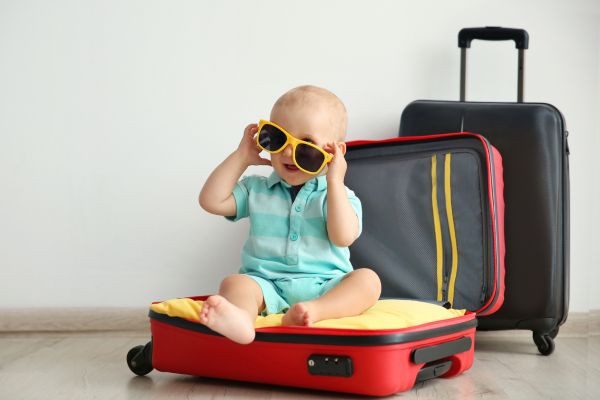
Traveling with a Baby Changes the Way You Pack
Before a baby comes along, travel can feel almost casual. You throw clothes into a suitcase, check your ticket twice, and maybe worry about whether you remembered your charger. Once a baby is part of the trip, packing becomes a different kind of planning. Suddenly, every small item matters. A missing pacifier can turn into a long afternoon. A poorly chosen stroller can make an airport feel twice as large. The right gear does not make travel completely effortless, but it can make the difference between a trip that feels manageable and one that feels like a test of patience.
Choosing the best baby travel gear is really about comfort, safety, and simplicity. Parents do not need to carry the entire nursery on every trip. In fact, overpacking often creates more stress. The goal is to bring items that solve real problems on the move, whether that means helping the baby sleep, keeping feeding simple, making diaper changes easier, or giving parents a little breathing room during long days away from home.
A Lightweight Stroller That Moves Easily
A good travel stroller quickly becomes one of the most useful pieces of baby gear. It gives your arms a break, carries a few essentials, and helps the baby rest when the day gets long. For travel, the most important qualities are weight, foldability, and smooth movement. A bulky stroller may be comfortable at home, but it can become frustrating in crowded stations, narrow hotel hallways, and busy airport terminals.
The best travel stroller should fold quickly and fit into tight spaces without a struggle. Parents often appreciate a stroller that can be opened with one hand, especially when holding a baby in the other arm. A sun canopy is also important for outdoor trips, while a reclining seat can help with naps on the go. It does not need to be fancy. It just needs to be practical, reliable, and easy to manage when everyone is tired.
A Comfortable Baby Carrier for Hands-Free Movement
There are moments when a stroller is not enough. Stairs, beaches, cobblestone streets, crowded markets, and boarding lines can all make a baby carrier feel like a lifesaver. A soft, supportive carrier lets parents keep the baby close while still having both hands free. For many babies, being carried also feels comforting, especially in unfamiliar places.
When choosing a carrier for travel, comfort matters for both the baby and the adult wearing it. Wide straps, good back support, and breathable fabric can make a big difference during long walks. A carrier that allows different positions may also be useful as the baby grows. For infants, proper head and neck support is essential. For older babies, a carrier that lets them look around can keep them happier during sightseeing or airport waits.
A Diaper Bag That Works Like a Mobile Station
A diaper bag is not just a bag. During travel, it becomes a small command center. It holds diapers, wipes, extra clothes, feeding supplies, toys, snacks, documents, and sometimes the parent’s belongings too. The best diaper bag for travel should be organized without being complicated. Too many tiny compartments can be just as annoying as no compartments at all.
Backpack-style diaper bags are popular because they leave hands free and distribute weight more evenly. Easy-to-clean fabric is helpful, because spills are almost guaranteed at some point. Parents should also look for a bag with quick-access pockets for wipes, bottles, pacifiers, and travel documents. When the baby needs something immediately, digging through a messy bag can feel endless. A well-packed diaper bag brings a little order to the chaos.
Portable Diaper Changing Essentials
Diaper changes do not politely wait until a clean restroom appears. They happen in airports, cars, parks, hotel rooms, and sometimes in places that feel far from ideal. That is why portable changing gear is one of the most important parts of baby travel planning.
A foldable changing mat gives the baby a clean surface wherever you are. Disposable diaper bags or wet bags help contain messes and odors until you find a trash bin or laundry option. Travel-size wipes are useful, but it is wise to carry more than you think you will need. Babies have a way of proving that “just enough” is not always enough.
A small pouch inside the diaper bag can keep changing supplies together. That way, parents do not need to carry the whole bag into a tight airplane restroom or roadside bathroom. Simple systems like this make travel feel much less overwhelming.
Feeding Gear That Keeps Meals Simple
Feeding while traveling depends on the baby’s age and routine, but the same rule applies to everyone: make it easy. For bottle-fed babies, insulated bottle bags can help keep milk at the right temperature for a limited time. Formula containers with pre-measured portions can reduce mess and save time. For breastfeeding parents, a lightweight nursing cover, burp cloths, and comfortable clothing can make feeding in public feel less stressful.
For babies eating solids, travel bowls, soft spoons, bibs, and easy snacks can help keep meals under control. A wipeable bib is especially useful because it can be cleaned and reused throughout the day. Some parents also bring a portable high chair or fabric seat harness for restaurants and visits to family homes. It is not always necessary, but it can be helpful in places where baby seating is limited.
The best baby travel gear for feeding is not about bringing every kitchen item. It is about choosing a few pieces that support the baby’s normal routine without taking up too much space.
Sleep Gear for Rest Away from Home
Sleep can be one of the hardest parts of traveling with a baby. New sounds, different beds, bright rooms, and changed schedules can all affect rest. While no item can guarantee perfect sleep, a few familiar tools can help create a calmer environment.
A portable travel crib or bassinet may be useful for overnight trips, especially when safe sleeping arrangements are uncertain. A fitted sheet from home can add a familiar smell and texture. A small white noise machine can help soften unfamiliar sounds from hotel hallways, traffic, or other guests. Sleep sacks are also helpful because they keep the baby warm without loose blankets.
Parents often underestimate how much a familiar bedtime routine matters while traveling. Even if the timing shifts, repeating the same small steps can signal that it is time to rest. The gear supports the routine, but the routine itself brings comfort.
Compact Toys and Comfort Items
Entertainment matters, especially during long flights, car rides, or restaurant waits. Still, toys can quickly take over a bag if parents are not careful. The best travel toys are small, quiet, and easy to clean. Soft books, teething toys, stacking cups, textured toys, and simple activity boards can keep babies occupied without creating too much noise or mess.
A comfort item can be just as important as a toy. A familiar blanket, soft toy, or pacifier may help calm a baby in a new environment. It is smart to bring a backup if the item is small enough to lose. Many parents learn this lesson the hard way, usually late at night.
The trick is rotation. Instead of giving the baby everything at once, offer one item at a time. A toy feels new again when it has been out of sight for a while.
Health, Safety, and Clean-Up Items
Travel exposes babies to new places, new surfaces, and new routines. A few health and safety basics can help parents feel prepared. Baby-safe hand wipes, sanitizing wipes for surfaces, a small first-aid kit, infant medicine approved by a doctor, a thermometer, and extra pacifiers can all be useful. For outdoor travel, sun protection such as a stroller shade, baby-safe sunscreen for the appropriate age, and a lightweight hat may be needed.
Extra clothes are another form of safety, in a very practical way. Spills, diaper leaks, and motion sickness can happen at the worst times. Parents should pack at least one full outfit for the baby in the day bag, and often one clean shirt for themselves too. It sounds excessive until the first big mess happens far from the suitcase.
Car Seats and Travel Safety
For road trips and many flights, a car seat is one of the most important travel items. Safety should always come before convenience. A travel-friendly car seat should be appropriate for the baby’s age, height, and weight, and it should be installed correctly every time. Some parents choose lighter models for travel, while others use their regular car seat because the baby is already comfortable in it.
Car seat travel bags can help protect the seat during airport handling, though parents should inspect the seat afterward for any damage. For families renting cars, bringing a familiar car seat can also reduce uncertainty. It may be one more thing to carry, but it offers peace of mind.
Choosing Gear That Matches Your Trip
Not every family needs the same setup. A weekend visit to grandparents is different from an international flight. A beach holiday is different from a city break. The best baby travel gear depends on where you are going, how long you will be away, and what kind of support you will have when you arrive.
Parents should think through the day, not just the destination. Where will the baby nap? How will feeding work? Will there be laundry? Are sidewalks stroller-friendly? Will you need to carry the baby for long stretches? These questions help separate what is truly useful from what is simply nice to have.
Traveling Lighter Without Feeling Unprepared
The temptation to overpack is strong because babies need so much care. But too much gear can make travel harder. Heavy bags, crowded hotel rooms, and too many “just in case” items can create stress instead of comfort.
A better approach is thoughtful packing. Choose items that serve more than one purpose. Bring enough essentials for the journey and the first day, then plan to restock basics like diapers and wipes if possible. Keep the most important items within reach, not buried in a suitcase. Good travel packing is less about having everything and more about knowing where everything is when you need it.
The Gear Helps, but Flexibility Matters Most
Traveling with a baby will always include surprises. Flights get delayed. Naps happen at strange times. A baby who usually loves the stroller may suddenly refuse it. A carefully packed toy may be ignored in favor of a plastic cup. That is normal.
The best baby travel gear gives parents support, but it cannot replace patience and flexibility. A smooth trip is not one where everything goes perfectly. It is one where parents have enough tools, enough calm, and enough room to adjust when plans shift.
A More Comfortable Way to Explore Together
Travel with a baby is slower than travel used to be. There are more stops, more bags, and more small needs to consider. But there is also something special about seeing the world with a child, even if that world is only a quiet park, a family home, or a new city street.
Choosing the best baby travel gear is not about buying more things or chasing a perfect packing list. It is about making movement easier, keeping the baby comfortable, and helping parents feel a little more prepared. With the right essentials and a realistic mindset, travel becomes less about surviving every inconvenience and more about creating gentle, memorable moments together.
