

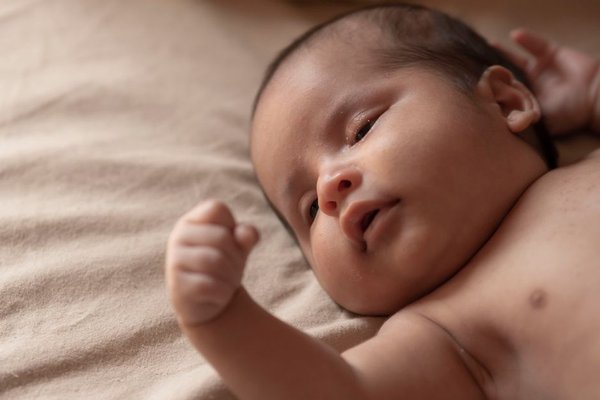
A rash can look alarming on a newborn, especially when it appears overnight on skin that seemed clear the day before. The reassuring part is that many common newborn rashes are harmless, short-lived, and caused by immature skin adjusting to life outside the womb. What matters most is not only how the rash looks, but also how your baby is acting, feeding, breathing, and whether there is a fever.
Very young babies can become unwell quickly, so a new rash should never be judged by appearance alone. If your newborn seems unusually sleepy, difficult to wake, is feeding poorly, has breathing difficulty, or simply seems significantly different from normal, seek medical advice promptly. This guide can help you recognise patterns, but it cannot replace an examination by a pediatrician.
Common newborn rashes that are usually harmless
Erythema toxicum
Erythema toxicum often appears during the first few days of life as blotchy red areas with small white or yellow bumps in the centre. It can show up on the face, chest, back, arms, or legs and may seem to move from one area to another.
Despite its dramatic name and appearance, erythema toxicum is not an infection and usually does not bother the baby. It normally clears on its own within days to a couple of weeks. No special cream is usually needed.
Milia
Milia are tiny white or pale bumps, most commonly seen on the nose, cheeks, chin, or forehead. They are small collections of keratin trapped near the surface of the skin and are very common in newborns. They are not acne, are not contagious, and should not be squeezed.
Milia typically disappear without treatment as the skin matures. Gentle washing and leaving the bumps alone are usually enough.
Baby acne
Baby acne often develops around two to four weeks after birth. It usually appears as small red or pink bumps and pimples on the cheeks, forehead, or chin. Some babies have only a few spots, while others develop a noticeable crop.
Avoid scrubbing, squeezing spots, or applying adult acne products. Heavy oils and ointments may irritate or clog the skin further. Baby acne generally improves on its own.
Heat rash
Heat rash, also called miliaria or prickly heat, develops when sweat becomes trapped beneath the skin. Newborns are particularly prone to it because their sweat ducts are still developing. It may look like clusters of tiny red bumps or small clear blisters, often around the neck, upper chest, back, hairline, or skin folds.
A useful clue is timing. If the rash appears after your baby has been bundled in several layers, spent time in a warm room, or been held closely for a long feed, overheating may be contributing. Move the baby to a comfortably cool environment, remove unnecessary layers, and choose loose, breathable clothing. Thick greasy ointments can make heat rash worse.
What about eczema in babies?
Eczema in babies tends to cause dry, rough, itchy, or inflamed patches and often affects the cheeks or scalp. Although eczema can begin early, it commonly becomes more obvious after the first weeks of life rather than immediately after birth.
If dry patches keep returning, seem itchy, crack, ooze, or interfere with sleep, ask your pediatrician whether eczema is likely. Fragrance-free products and gentle bathing are generally preferred for sensitive infant skin, but treatment should be tailored to the baby’s age and symptoms.
When a newborn rash needs medical attention
A harmless-looking rash becomes more concerning when it appears alongside signs of illness. In a baby under three months, a temperature of 38°C or 100.4°F or higher needs prompt medical assessment. Do not assume the fever is caused by a simple skin condition.
Seek urgent medical care if a newborn develops a rash with unusual sleepiness, poor feeding, breathing difficulty, a weak or abnormal cry, or is difficult to wake. Purple or blood-coloured spots that were not present at birth, or a rash that does not fade when pressed, also requires urgent assessment.
Blisters deserve particular caution in newborns. Clusters of fluid-filled blisters can occur with serious infections such as neonatal herpes. A newborn with new blisters, spreading redness, pus, painful skin, or rapidly worsening lesions should be assessed promptly rather than treated at home.
A simple way to check a new rash
Instead of focusing only on colour, look at the whole picture. Ask when the rash started, whether it is spreading, whether the skin is dry, bumpy, blistered, or weeping, and whether your baby seems comfortable. Check the baby’s temperature with a digital thermometer if they feel hot or unwell.
For example, a two-week-old who is feeding normally, has no fever, and develops a few small facial bumps may fit the usual pattern of baby acne. A two-week-old with a similar-looking rash plus a temperature of 38°C, poor feeding, or unusual drowsiness needs medical assessment. The same skin appearance can mean something very different when other symptoms are present.
Useful related topics include newborn bath safety, how to take a baby’s temperature, and safe sleep for newborns. These fit naturally alongside newborn skin care because they help parents judge everyday symptoms and recognise when something needs attention.
Frequently asked questions
How long do common newborn rashes last?
It depends on the rash. Erythema toxicum may clear within days to a couple of weeks, while milia can take several weeks to disappear. Baby acne may last longer but usually settles without aggressive treatment. A rash that is worsening instead of improving should be discussed with a healthcare professional.
Should I put cream on a newborn rash?
Not automatically. Many normal newborn rashes need no treatment, and heavy creams or oils can worsen heat rash or baby acne. If the skin is persistently dry, cracked, or itchy, ask your pediatrician what products are suitable for your baby’s age.
Can a newborn rash be caused by overheating?
Yes. Heat rash is common in young babies and can appear when they are overdressed, tightly wrapped, or kept in a hot environment. Keeping the room comfortable and using light, breathable layers can help prevent it.
When should I call the doctor about a newborn rash?
Call promptly if the rash is accompanied by fever, poor feeding, marked sleepiness, breathing problems, blisters, pus, spreading redness, or if your baby seems unwell. If you are unsure about a rash in a newborn, it is reasonable to seek medical advice even when no other symptoms are obvious.
What parents should remember
Most common newborn rashes are part of normal early skin development and improve with time and gentle care. Milia, baby acne, erythema toxicum, and heat rash can all look more dramatic than they are. The safest rule is to watch the baby as closely as the skin. A comfortable newborn who feeds normally and has no fever is very different from a newborn with the same rash who is lethargic or unwell. When warning signs appear, or your instincts tell you something is not right, contact a healthcare professional promptly.
