

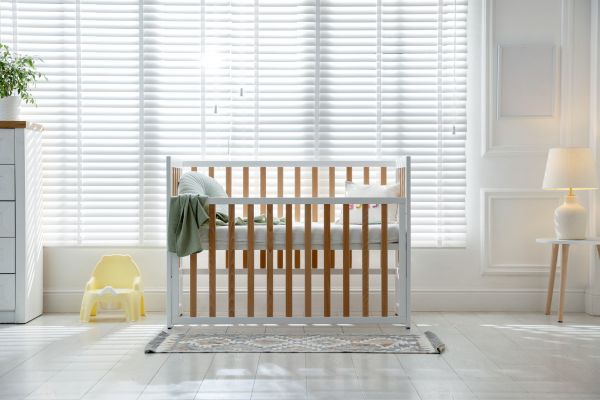
There’s something quietly reassuring about a sleeping baby—the slow rise and fall of their chest, the stillness that settles over a room. And yet, for many parents, sleep can feel less like peace and more like a checklist of worries. Is the crib safe? Is the mattress right? Are they sleeping in the safest way possible?
Understanding crib safety guidelines isn’t about memorizing rules—it’s about creating a space where your baby can rest securely while you breathe a little easier. The details matter, but so does the feeling of confidence that comes from knowing you’ve done what you can.
Let’s walk through what truly makes a crib safe, not as a rigid set of instructions, but as a thoughtful approach to your baby’s sleep environment.
Why crib safety matters more than we think
Babies spend a large portion of their early months sleeping. That alone makes the crib one of the most important places in their daily life. But beyond comfort, it’s also about reducing risks—especially those associated with unsafe sleep conditions.
A safe crib setup lowers the chances of accidents like suffocation, entrapment, or falls. It also plays a role in reducing the risk of sudden infant sleep-related incidents. When you follow crib safety guidelines, you’re not just arranging furniture—you’re shaping a protective environment.
And that environment should feel simple, calm, and uncluttered.
Choosing a crib that meets safety standards
Not all cribs are created equal, and sometimes the difference isn’t obvious at first glance. A crib might look sturdy and well-built, but safety lies in the details.
A safe crib should have slats spaced closely enough that a baby’s head can’t fit through. The structure should feel solid, without wobbling or loose parts. Paint or finishes should be non-toxic and free from peeling or chipping.
Older or secondhand cribs can carry hidden risks. Designs change over time, and what was once considered safe may no longer meet current standards. Drop-side cribs, for example, were once popular but are now widely avoided due to safety concerns.
It’s not about buying the most expensive option—it’s about choosing one that aligns with modern safety expectations.
The importance of a firm, well-fitted mattress
If there’s one element that often gets underestimated, it’s the mattress. Softness might feel comforting to adults, but for infants, a firm surface is essential.
A firm mattress helps maintain a baby’s airway, reducing the risk of suffocation. It should fit snugly inside the crib, leaving no gaps around the edges. Even a small space can pose a risk if a baby rolls or shifts during sleep.
You might notice your baby doesn’t seem as comfortable at first. That’s normal. Babies adapt quickly, and firmness supports safer sleep, even if it feels counterintuitive.
Keeping the crib empty and distraction-free
It’s tempting to make a crib look cozy—soft blankets, plush toys, decorative pillows. They look inviting, especially in photos or nursery setups. But in practice, simplicity is safer.
A safe crib is, quite literally, a bare crib.
No loose bedding. No stuffed animals. No bumper pads. These items can increase the risk of suffocation or overheating. Even breathable bumpers, often marketed as safer alternatives, are generally unnecessary.
What your baby truly needs is a flat, firm surface and proper clothing for warmth. That’s it.
It may feel minimal, even stark. But that simplicity is what makes it safe.
Safe sleep positioning inside the crib
One of the most widely recognized crib safety guidelines is placing your baby on their back to sleep. This position helps keep airways open and reduces risks associated with unsafe sleep.
As babies grow and begin to roll on their own, you don’t need to reposition them constantly. Once they can move independently, they’ll find their own comfortable position. What matters is how they are initially placed down to sleep.
Side and stomach sleeping might seem natural, but for young infants, they carry additional risks. Back sleeping remains the safest starting point.
Avoiding overheating and ensuring proper clothing
Temperature plays a subtle but important role in crib safety. Overheating can increase risks during sleep, and it often happens without parents realizing it.
Instead of layering blankets, consider lightweight sleep clothing designed for babies. The room should feel comfortably cool—not cold, but not overly warm either.
A simple rule many parents follow is to dress the baby in one more layer than what an adult would wear in the same room. It’s a gentle guideline, not a strict formula.
Touching the baby’s chest or back can give you a better sense of their comfort than checking their hands or feet, which are often naturally cooler.
Positioning the crib within the room
Where the crib sits in the room can influence safety more than you might expect.
It should be placed away from windows, blinds, and cords. Even something as simple as a curtain tieback can become a hazard if within reach. Wall decor should be secure and positioned well above the crib.
Avoid placing the crib near heaters, radiators, or direct sunlight. These can affect temperature and create uncomfortable or unsafe conditions.
Some parents prefer to keep the crib in their bedroom during the early months. This arrangement can make nighttime care easier while still allowing the baby to have a separate, safe sleep space.
Recognizing when it’s time to adjust the crib setup
Babies grow quickly, and what works one month may need adjustment the next.
As your baby becomes more mobile, you’ll need to lower the crib mattress to prevent climbing or falling. Once they can pull themselves up, the crib height should be set at its lowest safe level.
Eventually, there comes a point when the crib itself may no longer be the safest option—usually when a child starts attempting to climb out consistently. Transitioning to a toddler bed then becomes the next step.
Crib safety isn’t static. It evolves with your baby.
The role of routine in maintaining safety
It’s easy to think of crib safety as a one-time setup, but it’s actually part of an ongoing routine.
Regularly checking the crib for loose screws, wear, or damage helps maintain its integrity. Making sure the mattress remains snug and the space stays clear becomes second nature over time.
There’s also something comforting about routine—for both parent and baby. A consistent sleep environment reinforces a sense of familiarity, which can help babies settle more easily.
And for parents, it reduces the mental load of second-guessing.
Balancing instinct and guidance
Every parent brings their own instincts into caregiving. Sometimes those instincts align perfectly with recommended practices, and sometimes they raise questions.
Crib safety guidelines exist to provide a foundation, but they don’t replace your awareness. If something feels off—whether it’s a loose part, an unusual sleeping position, or a change in your baby’s behavior—it’s worth paying attention.
At the same time, it’s easy to feel overwhelmed by too much information. Not every suggestion carries the same weight. Focus on the core principles: a firm mattress, a clear crib, safe positioning, and a secure environment.
Those basics go a long way.
Creating a space that supports restful sleep
Safety and comfort don’t have to compete. A well-arranged crib can feel both secure and soothing.
Soft lighting in the room, a consistent bedtime routine, and a calm atmosphere all contribute to better sleep. While these elements aren’t strictly part of crib safety guidelines, they complement them.
A baby who feels settled is more likely to sleep soundly, and a consistent environment helps build that sense of security.
It’s not about perfection. It’s about intention.
Conclusion: A quiet foundation for peaceful nights
Crib safety guidelines are, at their core, about creating a simple, secure place where your baby can rest without unnecessary risks. The details—firm mattresses, empty cribs, proper positioning—may seem small on their own, but together they form a strong foundation.
And perhaps that’s what matters most. Not a perfectly styled nursery or a flawless routine, but a space that quietly supports your baby’s well-being night after night.
With time, these practices become second nature. You’ll check the crib without thinking, adjust the setup as your baby grows, and trust the environment you’ve created.
In the end, crib safety isn’t just about rules—it’s about peace of mind, built one thoughtful choice at a time.
