

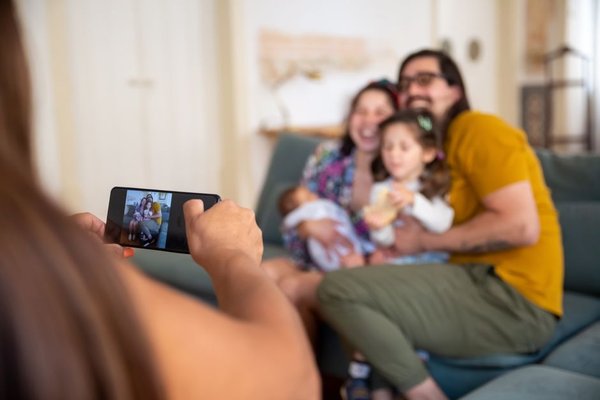
The best time to take newborn photos depends less on a magic birthday and more on the pictures you want. Dreamy, curled-up portraits are often easiest in the first two weeks, while relaxed family photographs and bright-eyed expressions can be captured later. Hospital images preserve the very beginning, before you have even settled in at home.
Rather than rushing to meet one deadline, choose a newborn photo age that suits your preferred style, your baby’s needs, and your family’s recovery. These timelines are planning guides, not guarantees about how any baby will sleep or behave.
Choose the Photo Style Before You Choose the Date
When parents ask when to take newborn photos, photographers often answer “within 14 days.” That advice mainly refers to traditional posed portraits. It doesn’t mean you’ve missed newborn photography if your baby is already three or five weeks old.
Decide what matters most: hospital details, sleepy close-ups, ordinary moments at home, or a little face looking toward the camera. You can also split the experience into two sessions rather than expecting every look in one afternoon.
Birth to 48 Hours: Hospital and Fresh 48 Photographs
Fresh 48 photography usually takes place within the first two days after birth, often in the hospital or birth center. Its appeal isn’t elaborate styling. It’s the hospital bracelet, the blanket from that first night, a parent’s hand wrapped around tiny fingers, and the first meeting with siblings.
This option suits families who value documentary photographs. Ask about hospital photography rules, including visitor restrictions. Your medical needs and rest take priority; photographs can happen later if the first days are difficult.
If a professional session isn’t possible, take a few quiet phone pictures near natural light. Capture the name card, little feet, and a parent holding the baby. You’re preserving memories, not staging a perfect set.
About 5 to 14 Days: Classic Sleepy Posed Portraits
For traditional studio images with a peacefully sleeping baby, roughly days five through fourteen are a common starting window. Many babies are sleepy during this stage and may naturally curl their arms and legs, making simple, comfortable positions easier to photograph. Sleep patterns still vary considerably.
This is often the best age for newborn pictures if you want wrapped portraits, detail shots, and a minimal backdrop. It isn’t a requirement for every photographer. A baby recovering from birth, having feeding difficulties, or needing medical care should never be hurried into a session for a calendar deadline.
Arrange a tentative booking before your due date, then confirm after delivery. Ask the photographer how they handle early or late arrivals, feeding breaks, and rescheduling. Patience matters more than a perfectly chosen day.
Two to Six Weeks: Natural Lifestyle Newborn Photos
Lifestyle photography is less dependent on exact age. Between about two and six weeks, you can document feeding in a favorite chair, a cuddle beside the nursery window, an older sibling sitting close to a parent, and everyday home life. The baby may be asleep or awake.
These pictures feel personal because the surroundings mean something. You don’t need an immaculate house. Clear one area with good daylight, choose comfortable clothing, and work around your family’s routine.
If you’ve passed the conventional newborn session timing window, a lifestyle approach can be reassuring. There are still tiny hands, changing expressions, and the scale of your baby against a parent’s shoulder to remember.
Four to Eight Weeks: More Awake Expressions
Some families prefer open eyes and emerging personality to curled-up sleeping poses. Around four to eight weeks, babies may have longer periods of alertness, although development varies and eye contact isn’t guaranteed on demand.
A photographer might capture a baby gazing toward a parent’s voice, stretching while awake and supervised, or resting securely in someone’s arms. You may catch a smile, but don’t plan everything around one. Intentional social smiles often emerge around two months, not on a fixed date.
Later sessions can emphasize connection instead of elaborate setups. Newborn milestone photo ideas can also help you document changes across several weeks rather than picking a single “perfect” stage.
How to Plan Around an Unpredictable Birth Date
Suppose you love sleepy studio portraits but also want open eyes. Reserve a flexible studio date around days eight to twelve and take informal family photographs at home around week five. Each style gets room to shine without asking a baby to do everything in one session.
Discuss the photographer’s preferred age range, session length, cancellation policy, and experience with infants. If your baby arrives early or spends time in neonatal care, ask your healthcare team when an outing is appropriate. A skilled photographer can adapt once your baby is ready.
Keep feeding supplies and spare clothes nearby, allow time for cuddles, and maintain a comfortable temperature without overheating. Learning how to prepare for a newborn photo session helps you prioritize essentials. Simple newborn photo outfit ideas are usually more practical than complicated costumes.
Comfort and Safety Matter More Than the Date
A newborn should never be forced into a position or balanced in an unsupported prop. Photographs showing babies apparently supporting their heads or suspended in baskets may be composites created from separately supported images; don’t copy them as actual poses at home.
Keep the nose and mouth clear, support the head and neck, and supervise constantly near raised surfaces. During breaks, follow safe-sleep guidance: a sleeping infant belongs on their back on a firm, flat, separate sleep surface without loose bedding or pillows. Decorative photography setups aren’t sleeping spaces.
Plan for breaks and stop when your baby seems uncomfortable. The most meaningful photograph may be a quiet cuddle between setups, not the shot you originally imagined.
Frequently Asked Questions
Is two weeks too late for newborn pictures?
No. Some photographers offer simple posed images after two weeks, and lifestyle portraits work beautifully later. Ask what styles suit your baby’s current stage.
Can I take newborn photos at one month old?
Absolutely. One-month-old babies can be photographed cuddling, stretching, sleeping, and looking around. Expect a different feel from the deeply sleepy earliest-days portraits.
Should I book before my baby is born?
Yes, particularly for a specialist studio photographer. Reserve a provisional date during pregnancy and find someone willing to adjust it around birth and recovery.
What if my newborn stays awake during the session?
That’s normal. Allow time for feeding and soothing, switch to parent-and-baby portraits, or capture awake details. Good sessions follow the baby’s cues.
The Right Time Is the Time That Fits Your Story
Choose the first 48 hours for fleeting memories; roughly the first two weeks for classic sleepy portraits; and the following weeks for home life and alert expressions. Those are creative preferences, not deadlines. The best time to take newborn photos is when your baby can be photographed safely and your family can enjoy remembering this chapter.
