

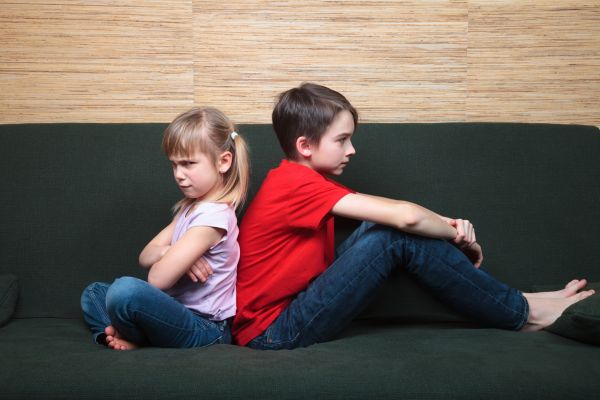
Handling sibling rivalry is one of those parenting topics everyone has an opinion about, yet no two families experience it the same way. If you have more than one child under your roof, you already know what I’m talking about. The constant bickering. The “that’s not fair!” complaints. The sudden competition over things that didn’t even matter yesterday. Let’s be real, sibling rivalry can feel exhausting, confusing, and sometimes downright overwhelming.
The thing is, sibling rivalry isn’t automatically a bad sign. In fact, it’s often a normal part of growing up. Kids are learning how to share attention, express emotions, and navigate relationships. Still, knowing that doesn’t make it any easier in the moment. That’s where thoughtful handling sibling rivalry strategies come into play. Not perfect solutions. Just realistic ones that actually fit into everyday family life.
Understanding Why Sibling Rivalry Happens in the First Place
Before jumping into solutions, it helps to understand what’s really fueling sibling rivalry. Most of the time, it’s not about the toy, the TV remote, or who gets the front seat. It’s about attention, fairness, and identity. Kids are constantly measuring where they stand, especially when there’s a brother or sister close in age.
Children may feel threatened when a new sibling arrives or when they think another child is getting more praise, freedom, or love. Even small differences in rules can spark resentment. The thing is, kids don’t always have the words to explain these feelings, so they act them out instead. That’s why handling sibling rivalry starts with empathy, not punishment.
Why Ignoring Sibling Rivalry Doesn’t Always Work
You may have heard the advice to “just ignore it” so kids can work things out themselves. Sometimes, that works. Other times, not so much. If sibling rivalry turns into constant yelling, hurtful language, or physical fights, ignoring it can actually make things worse.
Handling sibling rivalry means knowing when to step in and when to step back. If one child consistently feels unheard or targeted, resentment can quietly build. Over time, that resentment doesn’t magically disappear. It often shows up later as emotional distance or long-term conflict. So while kids do need space to resolve minor disagreements, they also need guidance.
The Role of Parental Attention in Handling Sibling Rivalry
Let’s be honest. Kids notice everything. They notice who gets praised more, who gets corrected more, and who seems to get extra time with mom or dad. Even when parents are trying to be fair, kids might not see it that way.
One effective approach to handling sibling rivalry is offering intentional, individual attention. That doesn’t mean big outings or expensive activities. Sometimes it’s as simple as sitting down and listening without distractions. A few minutes of focused attention can go a long way in reducing jealousy and competition.
When children feel secure in their relationship with you, they’re less likely to fight for attention through negative behavior. It’s not a quick fix, but over time, it changes the emotional dynamic in the household.
How Comparison Makes Sibling Rivalry Worse
Comparison is a major trigger when it comes to sibling rivalry. Even well-meaning comments like “Why can’t you be more like your sister?” can leave a lasting impact. Kids internalize those messages, and suddenly, they’re competing instead of cooperating.
Handling sibling rivalry requires breaking the habit of comparison. Each child has different strengths, struggles, and personalities. When parents acknowledge that openly, kids feel seen for who they are, not who they’re expected to be. That sense of individuality reduces the pressure to constantly compete.
Teaching Conflict Resolution Without Taking Sides
One of the trickiest parts of handling sibling rivalry is staying neutral. Kids often want parents to declare a winner. Who started it. Who’s right. Who’s wrong. The thing is, taking sides can unintentionally reinforce rivalry.
Instead of playing referee, focus on teaching problem-solving skills. Encourage kids to explain how they feel and listen to each other. It won’t be perfect at first. There will be interruptions and eye rolls. But over time, they learn that conflicts can be resolved without yelling or blaming.
This approach also helps kids develop emotional intelligence. They learn how to communicate, compromise, and stand up for themselves in a healthy way. Skills they’ll need long after childhood.
Setting Clear Expectations and Boundaries
Sibling rivalry often escalates when boundaries are unclear. Kids need to know what behavior is acceptable and what isn’t. Hitting, name-calling, and destroying belongings shouldn’t be brushed off as “normal sibling stuff.”
Handling sibling rivalry means being consistent with rules and consequences. Not harsh. Just predictable. When kids know the limits, they’re less likely to push them constantly. And when consequences are fair and calm, children learn accountability instead of resentment.
The Power of Modeling Healthy Behavior
Here’s something we don’t always like to admit. Kids learn how to handle conflict by watching adults. If they see yelling, sarcasm, or unresolved tension at home, they may mirror that behavior with their siblings.
Handling sibling rivalry becomes easier when parents model respect, patience, and healthy communication. Even small things matter. Apologizing when you’re wrong. Staying calm during disagreements. Showing empathy. Kids notice. More than we think.
When Age Gaps Change the Dynamic
Sibling rivalry doesn’t look the same in every family. Age gaps play a big role. Close-in-age siblings may compete more directly, while larger age gaps can bring power struggles or feelings of unfair responsibility.
Handling sibling rivalry across age differences means adjusting expectations. Older kids shouldn’t always be expected to “know better” or give in. Younger kids shouldn’t be dismissed just because they’re small. Everyone deserves to feel respected.
Helping Siblings Build Positive Connections
While conflict gets most of the attention, positive interactions matter just as much. Creating opportunities for siblings to bond can soften rivalry over time. Shared routines, family traditions, or cooperative activities help kids see each other as teammates instead of rivals.
Handling sibling rivalry isn’t about eliminating conflict completely. That’s unrealistic. It’s about shifting the overall tone of the relationship. When kids have positive experiences together, conflicts feel less intense and more manageable.
Accepting That Sibling Rivalry Won’t Disappear Overnight
Here’s the honest truth. Handling sibling rivalry is an ongoing process. There’s no magic strategy that works instantly and forever. Kids grow. Circumstances change. New challenges appear.
Some days will feel peaceful. Other days will test your patience. That doesn’t mean you’re doing something wrong. It just means you’re parenting real humans with real emotions.
When Sibling Rivalry Signals a Deeper Issue
Most sibling rivalry is normal, but sometimes it can point to deeper emotional struggles. If conflicts are extreme, constant, or involve cruelty, it may be time to seek additional support. Talking to a child therapist or family counselor can provide valuable insight and tools.
Handling sibling rivalry also means knowing when to ask for help. Parenting doesn’t come with a manual, and there’s no shame in needing guidance.
Final Thoughts on Handling Sibling Rivalry
Handling sibling rivalry is messy, emotional, and deeply human. It’s not about forcing kids to get along perfectly or pretending conflict doesn’t exist. It’s about teaching respect, empathy, and communication in everyday moments. The small ones. The loud ones. The imperfect ones.
Over time, those lessons add up. Siblings may still argue, but they’ll also learn how to repair, reconnect, and grow together. And one day, you might look back and realize that those tough moments helped shape stronger, more resilient relationships.
So take a breath. You’re not alone in this. Handling sibling rivalry isn’t about perfection. It’s about progress, patience, and showing up, even on the hard days.
